Normal cervical curve diagram
Original visual comparing normal cervical curvature, a straightened cervical curve, loss of normal cervical lordosis, and reversed or kyphotic alignment so readers can interpret report language with symptoms.
New or worsening weakness, spreading numbness, hand clumsiness, walking changes, bowel/bladder symptoms, fever, cancer history, or significant trauma need prompt medical care. Night pain that keeps waking you, grip loss, or fast progression should not be handled only with online exercises.
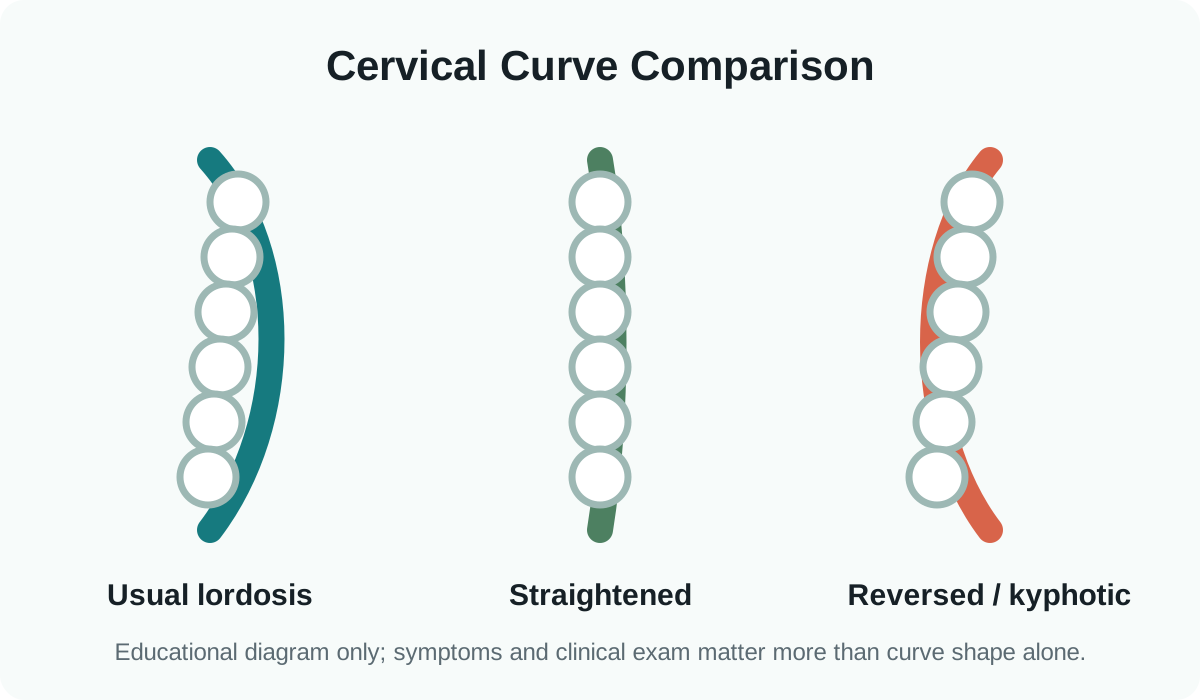
How to use this normal neck curve diagram
Use the diagram to compare common report phrases: normal cervical curvature, normal C-spine curve, loss of normal cervical lordosis, straightened cervical curve, reversed cervical curve, and cervical kyphosis.
The image is a starting point, not a diagnosis. If symptoms are mainly report anxiety, read the cervical curve guide. If the wording says loss of lordosis or mild kyphosis, use the kyphosis vs loss of lordosis guide. If arm pain, finger numbness, weakness, hand clumsiness, or walking changes are present, start with the red flag guide.
Related reading
24-hour response tracker
Use diagrams and trackers together before changing load.
Read more: 24-hour response trackerNormal Cervical Curve vs Straight Neck and Loss of Lordosis
See what a normal cervical curve looks like, how straight neck or loss of lordosis differs, and when arm numbness, weakness, or gait changes need care.
Read more: Normal Cervical Curve vs Straight Neck and Loss of Lordosis